 |
|

A great cover with a great Donna 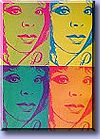
|
|
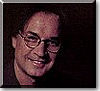
Pat Briggs: This is a big personal achievement for me. I think your music and your influence during the late `70s and `80s is what made me want to do what i`m doing now. I`m curious about how artists operated and how you operated at that point. What were the Casablanca years all about? Giorgio Moroder: Those were the easy days, in the sense that i had a certain sound, and I think the whole industry was different too. We never really had preproduction. We just went to the studio. Sometimes we had the song, sometimes we didn`t. And while we were recording, we would write the song, and while writing the song, we would have musicians recording it. B: Those were the good ol` days. M: And while we recording it, Pete Bellotte, who wasa my coproducer, would start to write lyrics with Donna. And that would take a day or two, and she would come in, sing it and go home. And then we would mix it and give her the final mix, and I don`t think she complained one time. B: Is that why "MacArthur Park" was originally like 18 minutes long? M: "MacArthur Park" was different. We had the idea of doing that song years before, but we didn`t know with with whom. So the idea suddently popped up, "Why don`t we do it with Donna?" So that was arranged with musicians and all. But usually we would just go into the studio and compose something there and record it, and then we would give it to Neil Bogart just like that. "This is the album," we would say. And he didn`t hear one song beforehand. Not one song. And he had very few comments. I remember with "I Feel Love," he was not really sure about the mix. So he said, "I will remix that one." just minor changes. And at that time, we didn`t do remixes anyway. B: They were already remixes anyway. I mean, basically they were club-ready. M: Yeah, they were club-ready. we barely edited for anything. For example, "Love To Love You, Baby" started with a single - for four minutes - and then we extended it. It wasn`t a long version, and then we cut it to a single. Then, we didn`t have any imput from the record companies. Zero. Not like now. plus, we didn`t have to do demos. We very rarely did demos. And certainly we wouldn`t play the demos for the record companies. because the demose would just be piano, or a little drums, nothing elaborate like now. |
B: Was Donna easy to work with? M: Oh yeah. She would come in, do the song, and as soon as the songs were recorded, she would go home. It`s not like she would say, "Okay, let`s try this again." Some of the songs we did in two or three takes. B: So it was very spontaneous. Would you say that she was your favorite artist to work with at that time? M: Yes. I`ve worked with over 50 major acts, and some are very bitchy, some are difficult. B: So who was "difficult"? M: Actually, real difficult, nobody. Because if you do one song with a single female or male, it`s never going to be a big problem, because it`s one song. It`s like I did one song with Cher, and i was told that if she says she`s coming to the studio at two, be sure that she won`t be there before five. Because she`s always late. But she came punctually at two. So I said, "Everybody said you are not a punctual person." And she said, "Oh, the first time I`m always punctual. It`s the second time I`m not." So the first song, everything goes relatively smooth. I did the first album with Janet Jackson, and i made a major mistake. I didn`t take it too seriously. she wan not a great singer, and she was probably 18, or 17. So instead of working with her, we just recorded it. And i didn`t do well. And that was a big mistake. B: Well, not everything can be multiplatinium eighter. M: No, but I should have at least picked some better songs. B: That`s one of your big regrets? M: Oh, i have several. The other one was I passed on several people. One was Whitney Houston. I passed on her, I passed on Duran Duran. I passed on Madonna. B: But you have a lot of satisfaction and great achievements in recording. You don`t sit around thinking about the things that you missed out on, do you? M: No, no, no. Just those two things. Whitney because she has a great voice, and I think and she`s a relatively easy person. And Janet. because with janet, I didn`t see the potential. But i must say at that time she didn`t sing well. That was the main problem. She didn`t sing anything. Zero. Her father suddently decided she has a famous brother, so why can`t she sing? That was the idea. Nothing like coming in and singing. And she`s not a great singer now, but she`s still okay. B: I often don`t know if it`s my own ego or my own crabbiness, but I don`t feel that modern artists are stars like in the old sense. like Donna was a star, and even Elton John was a star. and in that period, people went out on a limb to create their personas and they didn`t care about sometimes making an ass out of themselves. M:
But I think even in those days, especially with disco, we had a lot of
hits and nobody behind them. I mean, even Gloria Gaynor had one hit, and
she`s a nice lady. But you rarely saw an interview with her. Elton John
is not only a great artist but a personality. he has charisma.
|
|
|